
Picture the handoff you never see.
Your customer is at a barbecue. Someone mentions their water heater is making a noise. Your customer says you did great work, fast, fair price. Real endorsement, freely given, worth more than any ad you could run.
Then comes the part that decides whether you get the job. "Who did you use?" And your customer says the name, or almost says it, or reaches for their phone to look it up and gets distracted. That is the whole transaction, and it takes four seconds.
Naming brands is the work of winning those four seconds. It is not decoration, and it is not an SEO trick.
At Internal Profits, we treat naming brands as a marketing decision, not a clerical one. Your domain name and your phone number are part of the brand. Pair a memorable keyword domain with a memorable vanity number, and you build a much stronger front end for everything else you run.
5 Places Weak Naming Brands Costs You Money
Think about the last billboard you saw. Maybe it looked great. Maybe the slogan was clever.
But after you drove past it, could you remember the company? What they did? Their website? Their phone number?
That is the gap. Businesses buy attention, then make themselves hard to recall. Here is where it happens:
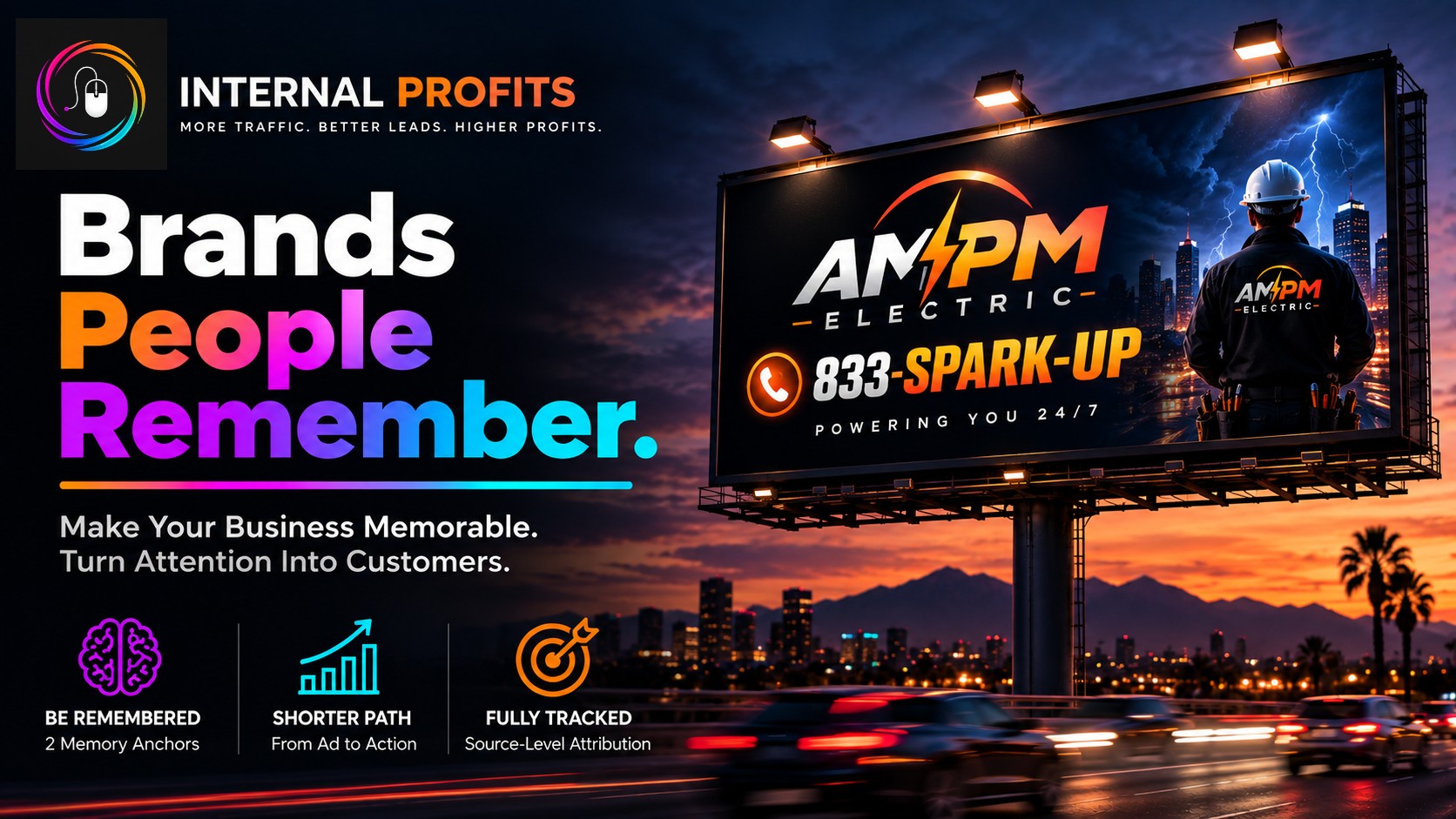
Large-format advertising has to land at 70 miles per hour. A company name that hides the service burns most of those five seconds. By the next exit, the driver remembers the color of the sign and nothing else.
There is no visual to stare at and no link to click. The listener is driving. Seven random digits vanish before the spot ends. A phrase like 833-SPARK-UP survives the drive home.
Your wrapped van sits in a neighborhood all day. Then it passes a thousand cars on the way home. Weak naming brands turns every one of those impressions into a glance that leads nowhere.
Most people will not click. That is normal. But six weeks later they may search for the service. If nothing in the ad was memorable, you funded a competitor's search result instead of your own.
The customer is finally ready to buy. They half-remember seeing someone. They cannot recall the name or guess the spelling. So they search the generic term and hire whoever ranks first. You did the work. Someone else got paid.
Someone may see your billboard today and need your service in three months. Someone may hear your radio spot while driving and call from home that night. Someone may pass your truck and remember you when a breaker panel fails next winter. Advertising creates a memory long before it creates a lead. Naming brands badly makes that memory impossible to retrieve.
The pattern: every leak above is a retrieval problem, not a creative problem. Naming brands around descriptive identifiers fixes retrieval.
Our trade packages get built around exactly that idea. The AMPM Electric package pairs AMPMElectric.com with 833-SPARK-UP (833-772-7587), so one billboard carries both anchors at once.

Naming Brands With a Keyword Domain: What It Does
A keyword domain includes a word or phrase tied to what the company does. Instead of leaning only on a brand name that hides the service, the business owns a domain built around its category, city, or offer.
The domain stops being an address. It starts being part of the message.
The Domain Becomes Part of the Ad
Imagine you are driving down the highway and you see this:
Remember the name → guess the spelling → find the site → navigate it
The ad already told them the destination
The second version tells you what the company does and which market it serves. It also hands you a descriptive phrase to attach to the ad. That phrase is what makes the brand retrievable weeks later.
A keyword in your domain does not automatically rank your website. Modern SEO depends on content quality, relevance, technical health, authority, user experience, local signals, and competition. Do not buy a keyword domain because you expect Google to reward it. Treat naming brands as a branding decision instead. Used that way, a keyword domain earns its cost.
Vanity Numbers: Turning a Phone Number Into a Phrase
Now the phone number. A traditional number looks like 602-555-1234. Nothing is wrong with it. Nothing is memorable about it either.
A vanity number states the service out loud. 833-SPARK-UP. You are no longer handing someone seven digits. You are handing them a phrase they can hold onto. That is naming brands applied to the phone line.
The Two Pieces Reinforce Each Other
Here is where it gets interesting. Put both anchors on the same ad:
The customer never has to recall a complicated company name. They get two anchors, and both describe the service. Naming brands this way makes every channel more actionable.
The Naming Brands Stack (What Actually Gets Built)
Here is what we build when a service business wants its naming to carry real marketing weight. The same foundation sits behind every one of our branding packages:
We inventory every name you put in front of customers. Legal entity, trade name, domains, phone numbers, social handles, Google Business Profile, truck lettering. Most businesses run three or four slightly different versions of themselves without realizing it.
We hunt for domains built around your service, your city, your offer, or your campaign. Short, spellable, and sayable out loud without explanation. Marketplaces like BrandBucket show how much buyers pay for names that pass that test. If a listener cannot type it correctly after hearing it once, it is the wrong domain.
We source a toll-free or local vanity number that spells your service. Then we route it to the line your team already answers. The number on the billboard is the number your office picks up. The routing happens behind the scenes, so nothing changes operationally.
Your corporate domain stays your corporate domain. Additional domains point at landing pages built for the specific service, market, or offer being advertised. Naming brands at the campaign level beats redirecting everything to a homepage nobody scrolls.
Same domain, same number, same formatting. Every billboard, wrap, radio read, YouTube end card, Google ad, and social post. Repetition across channels turns an impression into a memory. Five different versions of your phone number convert nothing.
Different tracking numbers cover different campaigns, channels, and landing pages. All of them route back to the right business line. Now the memorable number is a measurable number too.
Your legal company name exists for legal and administrative purposes. Your marketing brand exists to communicate with customers. Those two jobs do not always belong to the same name. Businesses commonly operate under DBAs, trade names, or campaign brands. Business-name registration, assumed-name and DBA requirements, and related rules vary by state and circumstance. This article is a marketing discussion, not legal advice. Before naming brands for a new entity, confirm the requirements with the appropriate state and local authorities or qualified legal counsel.
Where It Shows Up: Channel by Channel
The more places your identifiers repeat, the harder the brand is to forget. Here is how naming brands pays off in each environment:
- Billboards. Large-format has to land instantly. A descriptive domain and a memorable number carry the weight your company name cannot.
- Vehicle wraps. A driver gets a few seconds at a stoplight. Branding has to be understood, not decoded.
- Radio. There is no website to look at. The number has to be heard once and recalled later.
- Television and YouTube. The domain and number reinforce the brand throughout the spot, not only on the end card.
- Google Ads. A descriptive domain reinforces your positioning at the exact moment someone searches.
- Social media. A simple destination people can remember, say out loud, and share with a neighbor.
Descriptive Naming Brands Makes You Easier to Understand
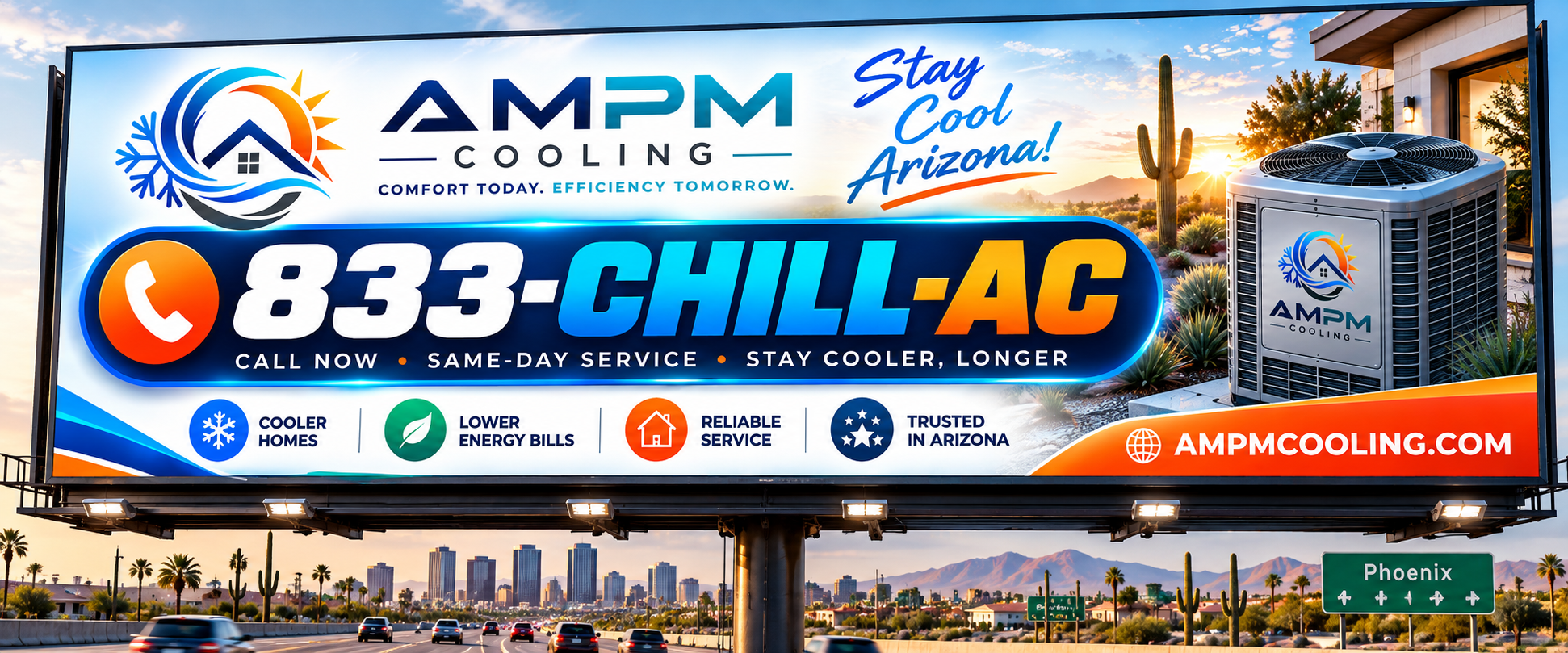
ABC Holdings LLC tells a customer nothing. AMPM Electric tells them the category in two words. In channels where nobody can click a link, the second name does far more work.
Keyword branding is not right for every company. Plenty of businesses win with a distinctive name that describes nothing at all. Think of the major consumer brands whose names mean nothing on their own. They built recognition over decades of spend. The point is not that every company should abandon its brand. The point is that descriptive naming brands gives service businesses a shortcut to being understood.
Tracking: Proving the Memorable Stuff Works
Here is the piece that matters most to us: track it.
A memorable phone number is great. But if you cannot tell which campaign generated the call, you do not have the full picture. That is why call tracking and attribution belong in the stack. Different tracking numbers cover different campaigns, channels, and landing pages, and every one of them routes back to your real business line.
Now you can answer the three questions that actually matter:
That is where branding and performance marketing meet. Naming brands makes you memorable. Tracking proves it paid.
Run the numbers on your own business. Take your monthly ad spend. Now estimate how many people it reached could name your company, spell your website, or recall your number a week later. Whatever share cannot is the share of that spend doing no work when the decision finally arrives. A bigger budget will not fix that. Better naming brands will.
Make the Whole System Reinforce Itself
The strongest play is not "buy a keyword domain" or "buy a vanity number." It is making every identifier work together. Company name, domain, phone number, offer, website, advertising, and tracking. When they reinforce each other, your customer has fewer things to remember and you have more ways to measure.
Want a second opinion on your branding, domain strategy, website, or marketing system? We are happy to take a look. Book a free 45-minute strategy session, review the case studies, or call 866-TRACK-SALES (866-872-2572).